


Many people believe that addiction is a choice, something that people choose to suffer from. If that’s the case, that addiction is a choice, then you might as well say that illness is a choice too. The conflict of people thinking that addiction is a choice is one of the many myths of addiction. People aren’t born and raised wanting to suffer from an addiction; I’m positive that nobody wants to be an addict. Addicts and alcoholics are born with a brain that is wired differently than others. I will agree with people on one thing: picking up the drug or drink for the first time IS a choice, but what happens in our brains after the fact is not. Many medical professionals and scientists have agreed that addiction is a disease of the brain, while many others believe that addiction is a choice. Although it is not quite certain as to when the stigma of addiction will be lifted, shedding light on this conflict may help.
Definition of Addiction: Addiction is a chronic and progressive brain disorder, or disease. Addiction is a complex illness that, if not treated, can potentially be fatal. Addiction is characterized by a tolerance and compulsion for and obsession about the drink or drug. Addiction affects all areas of one’s life- physical, emotional, and mental health, and the enthusiasm for one’s life in living a productive, healthy lifestyle.
If Addiction Is A Choice, Then So Is Illness
The conflicting views on whether addiction is a choice or not have been going on for years and years; meanwhile, addicts and alcoholics are still struggling, and even losing their lives to addiction. While it is true that it is an addicts choice to pick up that first drug, or for an alcoholic to pick up that first drink, they begin to lose control over their thinking and habits. There are also many people who dabble with drug use that aren’t born with the disease of addiction, and have control to stop whenever they want; addicts and alcoholics don’t have this luxury, as much as they wish they did. This also brings up the common stereotypes of addiction; addicts being labeled as junkies who have no ambition in life, and choose to be this way.
There has been countless studies on the disease of addiction, and what actually happens in an addicts brain that is so different than the “normal brain.” What research and studies have found is that addiction is a brain disease, not a choice, and there are facts that back up these studies. “People say if you consider drug addiction a disease, you are taking the responsibility away from the addict. But that’s very wrong. If we say that a person has a heart disease, are we eliminating their responsibility? No. We’re going to have them exercise. The fact that we have a disease recognizes that there are in fact changes, in this case, in the brain,” stated by Dr. Volkow, who is the Director of NIDA (The National Institute on Drug Abuse).
The Science Of Addiction
While people are thinking that addiction is a choice, there are science and studies that can eliminate that close-minded thinking. Addiction takes hold on the brain from large and rapid increases in dopamine, which is a neurochemical that is critical to stimulating feelings of pleasure in the brain and to motivating behavior. Dopamine is not only released by drugs, but normal, everyday things such as exercising or sex. The “rush” of dopamine that is released by the drugs has the insidious consequence of ultimately weakening the response of the dopamine system to everyday incentives, which means that it distorts a person’s typical amount of needs and desires, while substituting new priorities with using the drug (immediately fogging a person’s thinking and behavior, the addiction has started).
Just like many other diseases, a person’s vulnerability to addiction can be influenced by multiple factors; such as a person being genetically pre-dispositioned to it, and also environmental and developmental factors can also contribute. While genetics account for about half of a person’s vulnerability to the disease of addiction, social environments (families, culture, friends, neighborhoods, schools)can have a great influence on the personal decisions and choices. As stated before, it is true that this vulnerability can be what exposes the drugs to the individual, leading them to choice whether or not to give in to it, but exposure alone cannot determine whether addiction will happen. Predisposing genes and environmental variables interact with this, including drug exposure and stress, and can cause lasting changes to the genes and how they function (which is known as epigenetic changes) and can result in long-term changes to the brain and it’s circuits.
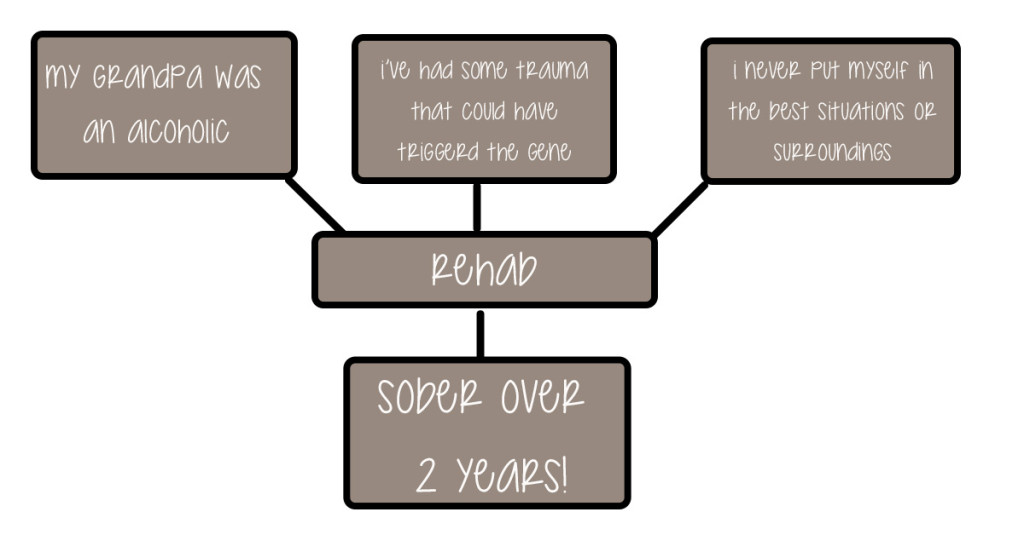
Here is how I believe I became how I am:
Addiction Is Not A Choice, It’s A Serious Disease
There are countless research and studies that backs up the fact that addiction is a disease. Although there are still going to be those people who believe with every bone in their body that addiction is a choice, we have facts that prove them wrong. The even bigger issue is that thousands of people a day struggle with addiction, while hundreds of people a day are dying of a drug overdose. There is help for addiction; even though there is no cure, there IS a solution. Getting treatment and digging deep into your core to help solve the issues that caused the addiction in the first place is a great start to becoming an addict or alcoholic in recovery. There are thousands of people in this country, millions all over the world, that are living a new life in recovery from addiction; they were able to get their life back and live free of all substances. You can do this too! If you or someone you know is struggling with addiction issues, call 1-866-527-5252 today for immediate assistance and to see what your treatment options are.
