


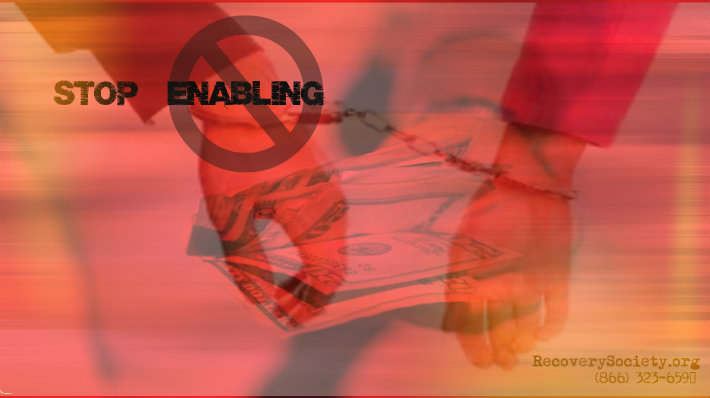
Being in the field for quite some time now, we have seen many parents and family members having a hard time with letting go of someone who is struggling and needs addiction treatment. It’s completely understandable that a parent would want to try and fix their struggling child themselves, but that quickly turns into enabling. The reality of this issue is that enabling will keep the addict or alcoholic sick.
How To Quit Enabling And Let Go
Once one is used to enabling, it’s a hard cycle to quit. You find yourself causing yourself harm when trying to help them. Here are some tips to stop enabling, which in return should allow the struggling addict or alcoholic to realized how bad their disease has gotten. The ultimate goal is to have the addict/alcoholic realize how unmanageable their life has gotten, and they want to get help for themselves. Ultimately, they’ve got to learn for themselves.
- Stop doing things that makes the addict/alcoholic think their lifestyle is okay.
- Stop doing things for the addict/alcoholic that they could be doing for themselves.
- Stop trying to cover up or make excuses for the addict/alcoholic.
- Stop/Do NOT loan or give the addict/alcoholic money.
- Stop/Do NOT bail the addict/alcoholic out of sticky situations that their disease got them in (like jail)
- Set boundaries (not threats) and stick with them.
Getting Your Loved One The Proper Help
90% of the time when an addict or alcoholic’s enabling system is removed from their lives, it will bring up some fear of having to support their addiction on their own, when then will force them to seek help. There is no guarantee that they’ll want to stop right away, but sooner or later they’ll realize that this life is no longer working for them. There is always the option of hiring a professional to perform an intervention on your struggling loved one, or you could call for help. For more information on letting go and getting your loved one addiction help, call Recovery Society at (866) 323-6590 today.
